Comparing Welding Methods: TIG Vs MIG Vs Stick — What Works Best For Your Project?
When a project calls for metal fabrication or structural repairs, choosing the right welding technique can make a huge difference to the finished result. From marine fabrication to structural steel and precision sheet metal work, each welding method has strengths that suit particular materials, environments and project requirements. For property owners and contractors searching for welding on the Central Coast, understanding these methods helps you plan your project with confidence.
TIG, MIG and Stick welding are the most widely used techniques across fabrication, engineering and repair work. Each offers its own balance of strength, speed, accuracy and cost. Knowing how they differ allows you to select the most suitable approach before fabrication begins, which saves time, reduces rework and improves the durability of the finished product.
Why the Welding Method Matters
Welding does more than join two pieces of metal together. The method used affects the strength of the joint, the appearance of the weld, the speed of fabrication and how well the finished structure handles environmental stress.
A skilled fabricator chooses a welding technique based on factors such as:
- Material type – aluminium, stainless steel or mild steel behave differently when heated
- Material thickness – thin sheet metal needs precision, while heavy structural steel requires penetration and strength
- Working environment – indoor fabrication differs greatly from outdoor repair work
- Appearance requirements – visible welds often require a cleaner finish
- Production speed – large fabrication projects demand efficient processes
Selecting the right method ensures the finished weld holds up under pressure, vibration, corrosion and everyday wear.
TIG Welding – Precision & Clean Results
TIG welding, also known as Gas Tungsten Arc Welding (GTAW), stands out for its exceptional control and precision. This technique uses a non-consumable tungsten electrode to create the arc while a separate filler rod adds material to the weld pool.
Because the welder controls the heat input and filler material independently, TIG welding produces extremely neat and precise welds. Some common TIG welding applications might include:
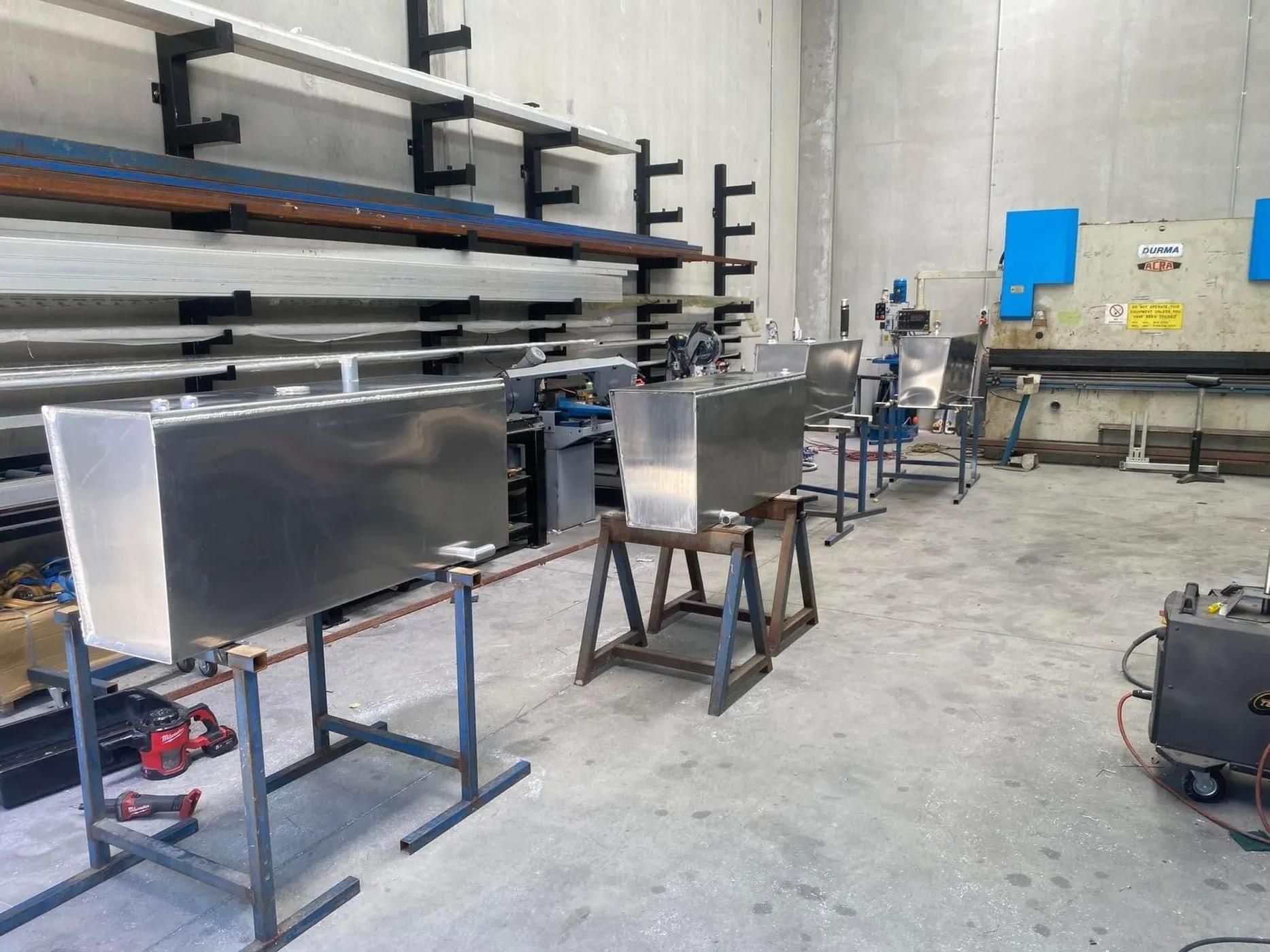
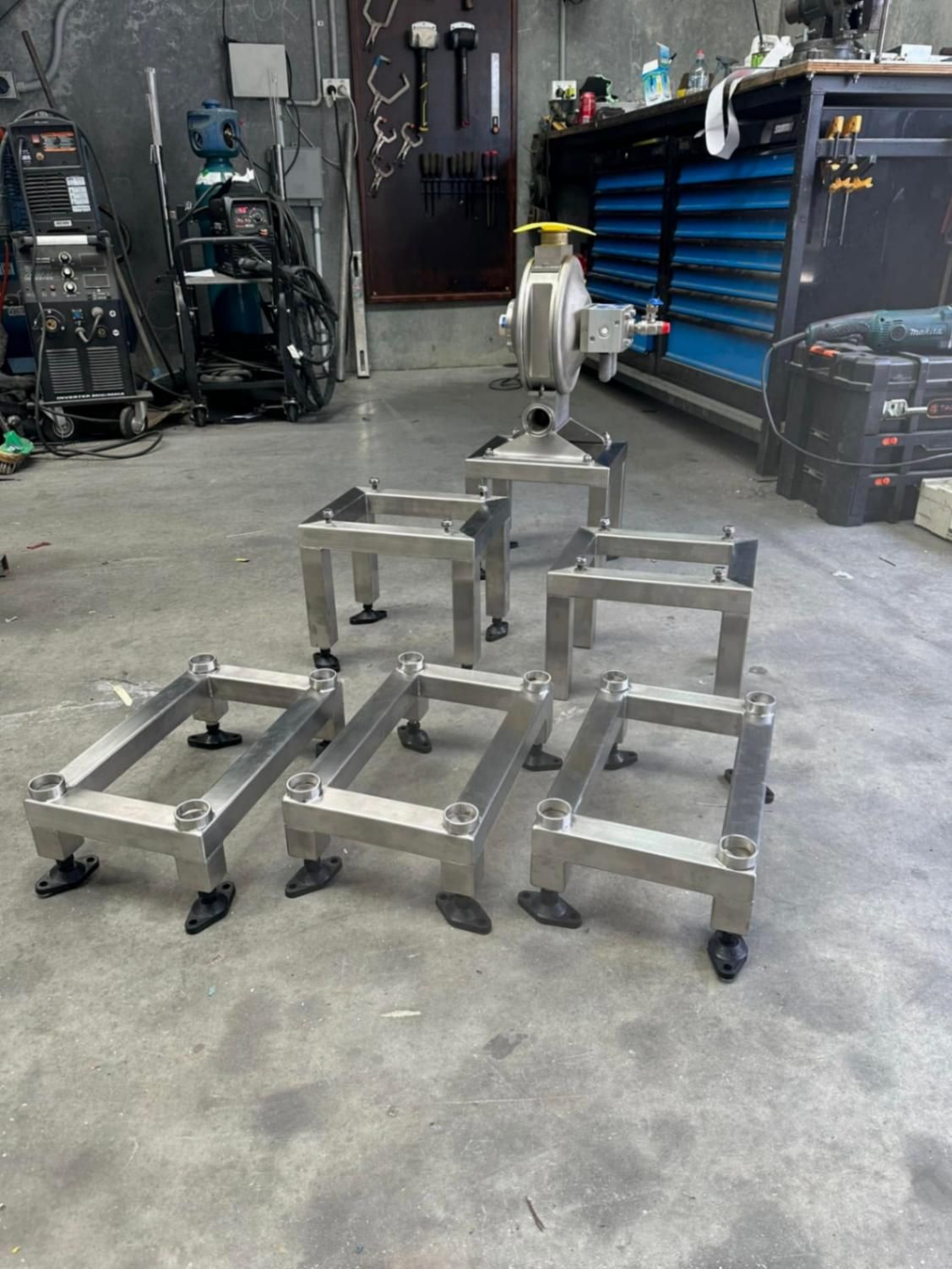
- Stainless steel fabrication
- Aluminium fabrication
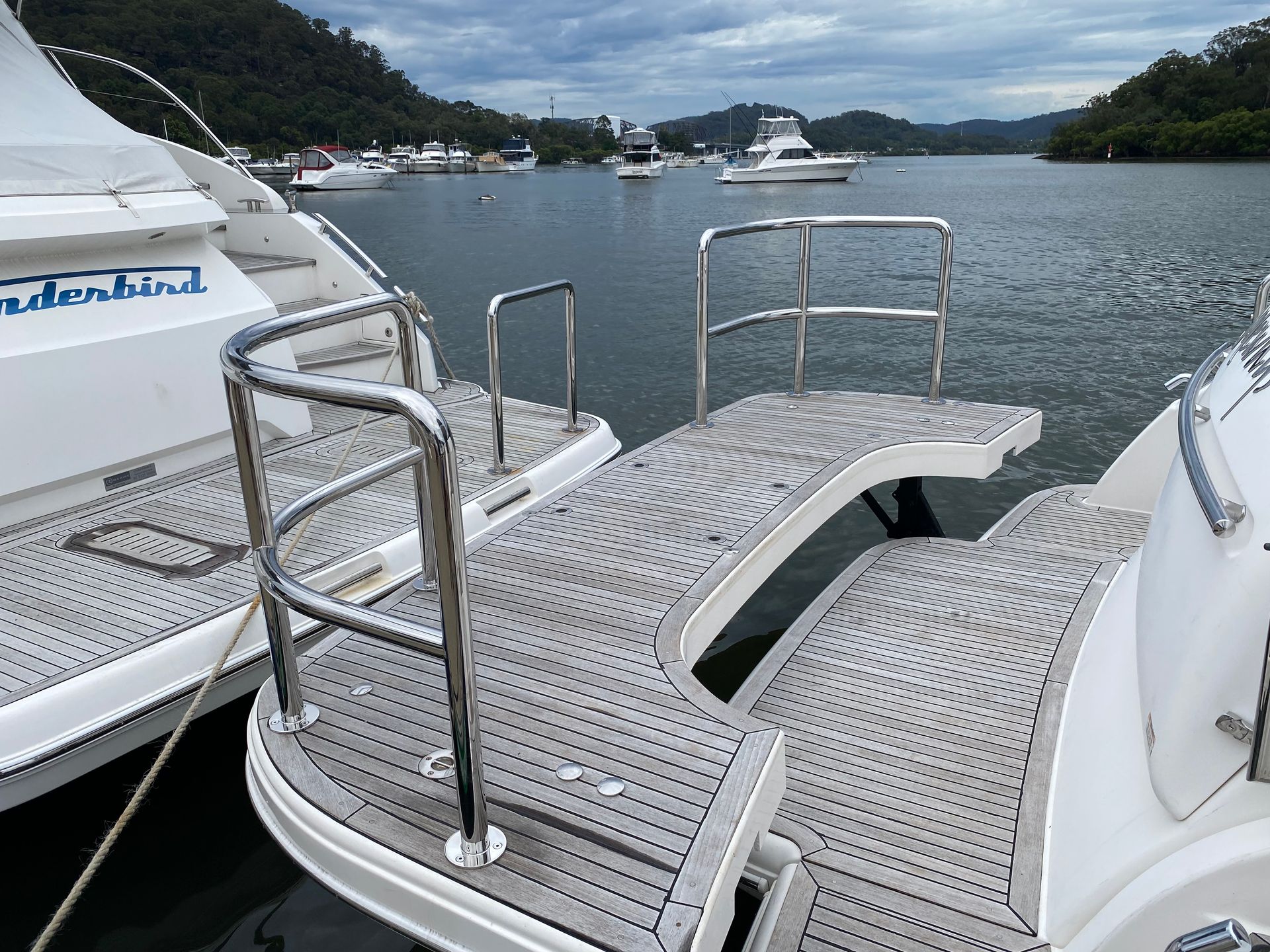
- Marine components
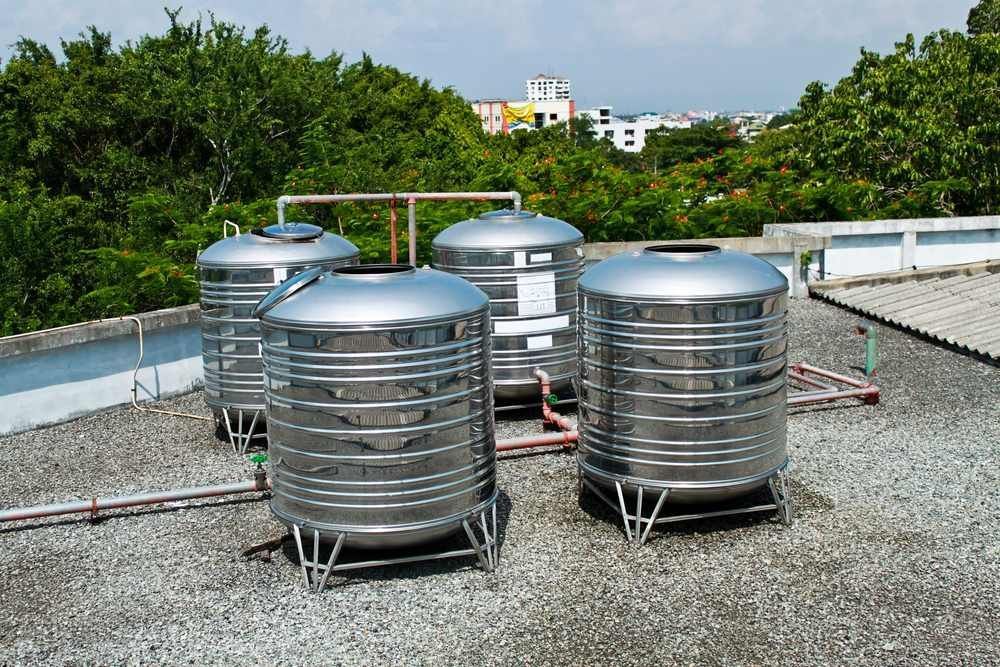
- Pressure vessels and pipework
- Thin sheet metal work
The technique excels in projects where appearance and accuracy matter. Aluminium boat fittings, stainless steel railings and intricate fabrication often rely on TIG welding because the finished welds look smooth and consistent.
TIG welding also allows fabricators to work with delicate materials without warping them. The controlled heat input helps prevent distortion in thin metal sections, which makes it ideal for detailed engineering work.
The trade-off comes in speed. TIG welding takes longer than other methods, which means labour costs may increase on large projects. However, when quality and precision matter most, it remains the preferred option.
MIG Welding – Fast & Efficient Fabrication
Metal Inert Gas welding, or MIG welding, uses a continuously fed wire electrode and shielding gas to create the weld. The wire acts as both the electrode and the filler material, which allows welders to work quickly and efficiently.
This method dominates many fabrication workshops because of its speed and versatility. MIG welding works particularly well for:
- Structural steel fabrication
- Automotive repairs
- Large fabrication runs
- Heavy equipment repairs
- General engineering work
Compared to TIG welding, MIG welding requires less manual coordination. The wire feed system supplies filler material automatically, allowing welders to complete long seams rapidly.
For projects involving thicker materials or large assemblies, this speed becomes a major advantage. Fabricators can produce strong, consistent welds without slowing production.
Another benefit lies in accessibility. MIG welding adapts well to many metal types, including:
- Mild steel
- Stainless steel
- Aluminium
Because it balances speed and strength, MIG welding on the Central Coast often becomes the practical choice for construction, fabrication and industrial manufacturing projects.
Stick Welding – Built for Tough Environments
Stick welding, also known as Shielded Metal Arc Welding (SMAW), remains one of the most durable and adaptable welding techniques in the industry. Instead of shielding gas, this process uses a flux-coated electrode that protects the weld pool from contamination.
The result is a process that performs exceptionally well outdoors and in challenging environments. Stick welding thrives in situations such as:
- Structural steel construction
- Heavy equipment repair
- Farm machinery repairs
- Outdoor fabrication projects
- Maintenance work in remote areas
Because the process does not rely on shielding gas, wind and environmental conditions have little impact on weld quality. This makes stick welding extremely useful for on-site repairs and construction work.
Another strength lies in its ability to handle rust, dirt and surface contaminants better than other methods. While clean metal always improves weld quality, stick welding tolerates imperfect conditions far more easily than TIG or MIG welding.
For heavy steel and structural components, the deep penetration of stick welding produces exceptionally strong joints. That durability explains why the technique remains popular in construction and heavy industry.
Quick Comparison: TIG vs MIG vs Stick
Each welding technique serves a distinct purpose in fabrication and repair work. Here is a practical comparison that highlights where each method shines.
TIG Welding
- Extremely precise welds
- Clean appearance with minimal spatter
- Ideal for aluminium and stainless steel
- Slower process with higher labour time
- Best for detailed or visible fabrication
MIG Welding
- Fast and efficient production
- Strong welds across many metals
- Suitable for fabrication workshops
- Easier to learn and operate
- Excellent for large projects
Stick Welding
- Highly durable welds
- Performs well outdoors
- Works with thicker metals
- Handles surface contaminants
- Ideal for heavy structural work
Each method solves a different challenge. Skilled fabricators often use multiple techniques depending on the requirements of the project.
Choosing the Right Welding Method for Your Project
Selecting the correct welding technique starts with understanding the nature of the work. Every project presents unique conditions that influence which method performs best.
Consider these factors when planning fabrication or repairs:
Material Type
Aluminium and stainless steel require careful heat control. TIG welding provides the accuracy needed for these materials, particularly in marine fabrication or architectural projects.
Project Scale
Large fabrication projects often benefit from MIG welding because of its speed. When hundreds of welds are required, efficiency becomes essential.
Working Environment
Outdoor repairs, structural steel installation and equipment maintenance often favour stick welding. Its ability to perform in windy conditions makes it highly practical for on-site work.
Appearance Requirements
Decorative or visible welds require a clean finish. TIG welding produces the smoothest weld beads, which makes it ideal for railings, marine components and high-end fabrication.
Budget & Timeline
Every project balances cost with performance. Faster welding methods reduce labour hours, while slower processes deliver exceptional precision.
When contractors and property owners understand these factors, they can make informed decisions before fabrication begins. That clarity prevents delays, improves structural performance and helps projects stay on schedule.
Every welding technique brings unique advantages to fabrication and repair work. TIG welding delivers precision for detailed metalwork, MIG welding provides speed and efficiency for large fabrication jobs, and stick welding offers durability in demanding environments. Understanding these differences helps property owners, contractors and project managers choose the right approach before work begins.
For those seeking welding on the Central Coast, working with experienced fabricators makes the decision much easier. At EB Metalworks, we assist clients across the Central Coast with aluminium and stainless-steel fabrication, engineering projects and specialised welding work.
If your project requires expert guidance or professional welding, get in touch with us at EB Metalworks today to discuss your fabrication needs and organise a quote.