The Role Of Coatings And Finishes In Protecting Welded Metal
Coatings and surface finishes protect welded metal from corrosion, wear and environmental damage. For stainless steel, the right treatment can preserve corrosion resistance, improve appearance and extend service life.
For businesses seeking welding on the Central Coast, finishing should be considered before fabrication begins, particularly when components will face salt air, moisture or industrial conditions.
Why Welded Metal Needs Protection
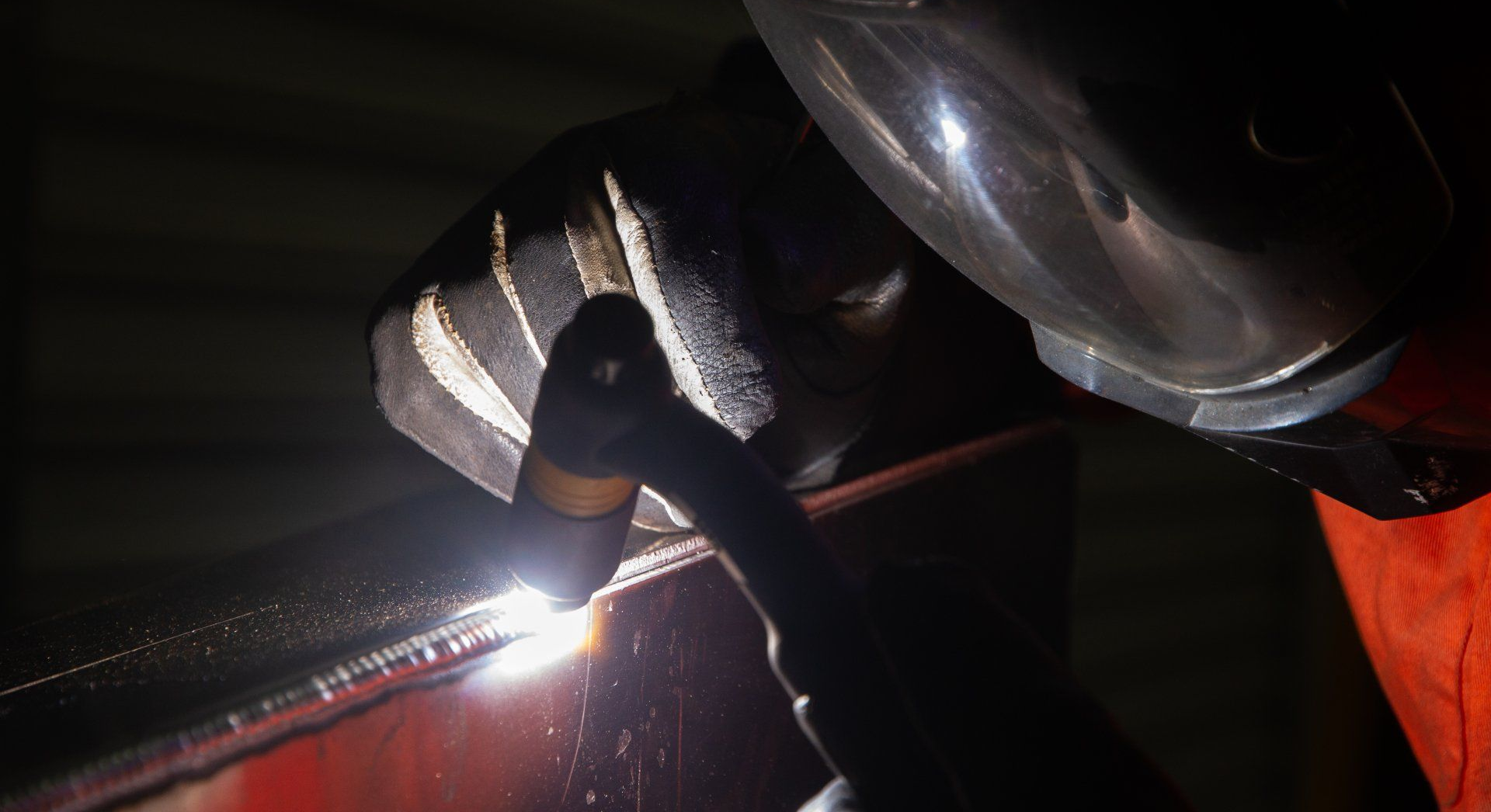
Welding creates strong joints, but heat and fabrication processes can affect the surrounding metal surface. Stainless steel naturally resists corrosion through a protective chromium-rich oxide layer. Welding can produce heat tint and surface changes that reduce this protection if left untreated.
Depending on the application, welded stainless steel may require cleaning, pickling, passivation or polishing. An additional coating isn't always necessary. Correctly selected and finished stainless steel can perform well without paint or powder coating.
How Corrosion and Wear Affect Welded Joints
Corrosion often develops where contaminants, moisture or salt deposits interfere with the metal's protective surface.
What Causes Corrosion Around Stainless Steel Welds?
Common causes include:
- Heat tint: Oxidation from welding that can reduce local corrosion resistance.
- Contamination: Particles introduced by unsuitable tools or contact with other metals.
- Crevices: Tight gaps that trap moisture and contaminants.
- Salt exposure: Chlorides that increase the risk of pitting and crevice corrosion.
- Poor drainage: Standing water around welded connections.
Wear also matters. Abrasion, vibration and repeated handling can damage protective finishes. The best protection considers both the environment and how the component will be used.
Common Types of Coatings and Finishes for Welded Metal
Different treatments offer different benefits for stainless steel fabrication.
Pickling and Passivation
Pickling removes weld heat tint and affected surface material using specialised chemical treatment. Passivation removes certain surface contaminants and supports the formation of stainless steel's protective oxide layer. Both require appropriate procedures and safe chemical handling.
Polishing and Brushing
Mechanical finishing improves appearance and can create surfaces that are easier to clean. Tools must be suitable for stainless steel to avoid introducing contamination.
Powder Coating Welded Steel
Powder coating creates a coloured protective layer that is cured onto the metal surface. Powder coating welded steel, including suitable stainless steel fabrications, can provide decorative and protective benefits. Successful application depends on surface preparation, coating compatibility and service conditions.
Liquid Protective Coatings
Specialist coating systems may provide additional resistance to chemicals, abrasion or environmental exposure. Not all coatings adhere reliably to untreated stainless steel, so preparation is essential.
Galvanising Welded Fabrication
Hot-dip galvanising is primarily used to protect carbon steel with a zinc coating. It generally isn't an appropriate finishing method for stainless steel and isn't part of EB Metal Works' stainless steel-focused services.
How to Choose the Right Coating for Your Project
The right finish depends on the component's intended use and operating environment.
What Factors Matter Most?
Consider:
- Environment: Exposure to salt, moisture, chemicals or heat.
- Material: The stainless steel grade and its suitability.
- Wear: Abrasion, impact and frequent handling.
- Appearance: Polished, brushed or coloured finishes.
- Maintenance: Cleaning and inspection requirements.
- Compatibility: Contact with stored liquids or other substances.
Why Does Tank Welding Require Special Consideration?
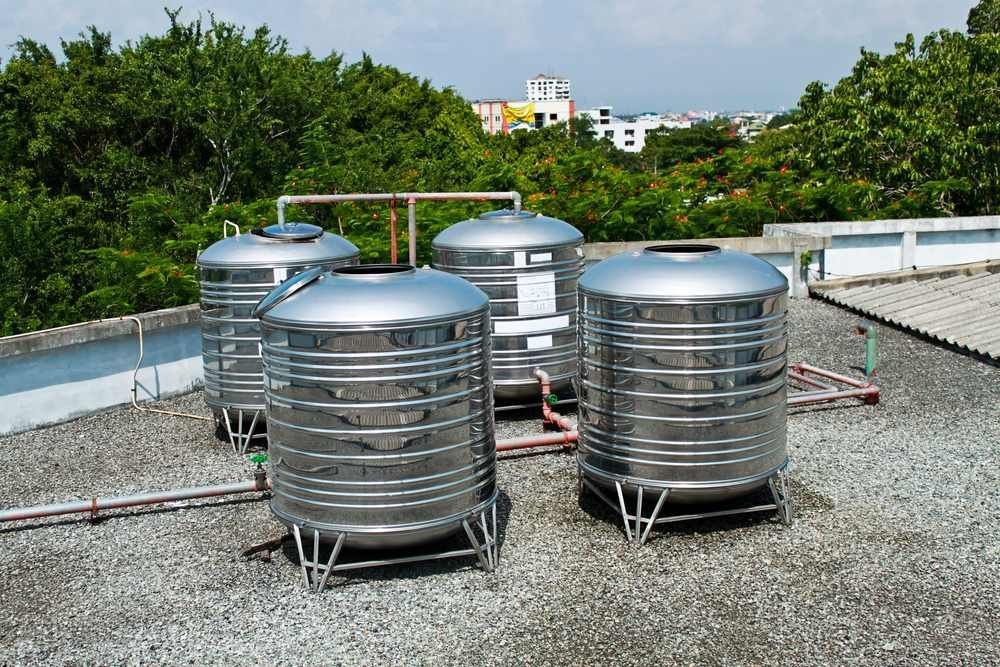
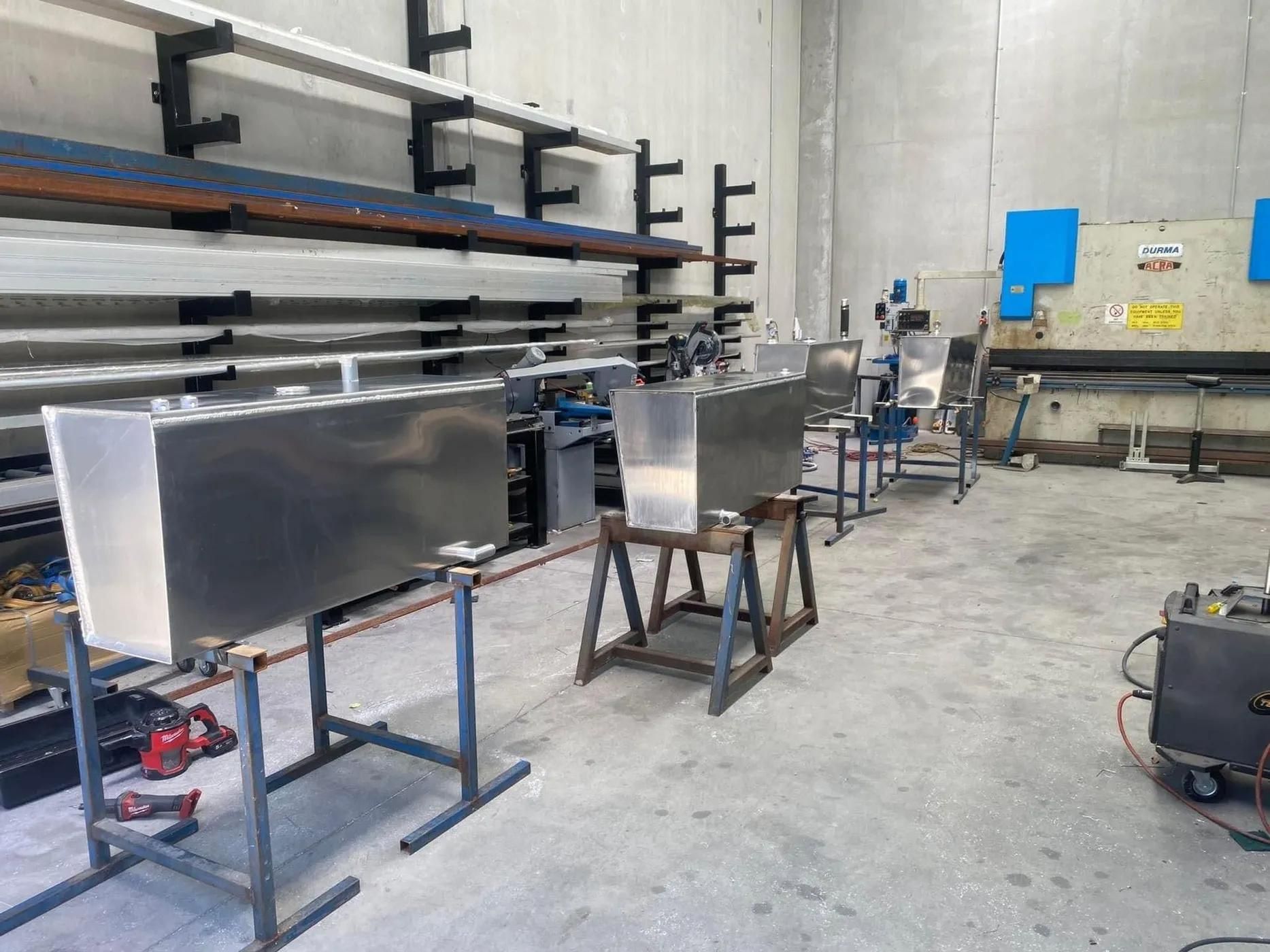
In tank welding, internal surfaces may contact water, chemicals or other stored materials. The stainless steel grade, weld quality and surface finish must suit those conditions.
For example, a hygienic stainless steel tank may need smooth internal welds that minimise areas where residue can collect. Any internal coating must also be compatible with the tank's contents.
Surface Preparation: The Step That Makes or Breaks a Finish
Even a high-quality coating can fail if the surface isn't prepared correctly. Oil, grease, welding residues and contamination can interfere with adhesion.
How Should Welded Stainless Steel Be Prepared?
Preparation may include:
- Removing welding residues and contamination
- Cleaning oils and grease
- Treating heat tint where necessary
- Smoothing sharp edges
- Preparing the required surface profile
- Confirming the surface is clean and dry
The process depends on whether the final treatment involves passivation, polishing or coating.
Does the Welding Method Affect Finishing?
Yes. Different welding methods produce different amounts of spatter, slag and surface residue. When comparing
TIG vs MIG vs stick welding, consider the cleaning and finishing work required afterwards.
Best Practices for Applying Coatings to Welded Fabrications
Protective coatings perform best when applied according to the manufacturer's specifications.
What Helps Achieve a Durable Finish?
Important practices include:
- Confirming compatibility with stainless steel
- Preparing the surface correctly
- Checking temperature and humidity requirements
- Applying the specified coating thickness
- Allowing sufficient curing time
- Inspecting welds, edges and difficult-to-reach areas
Why Do Weld Edges Matter?
Sharp edges and complex joints can make even coating coverage difficult. Insufficient coverage may create weak points where damage or corrosion develops. Designing fabrications with finishing access in mind can improve coating consistency.
Protecting Metal in Coastal Conditions: Welding on the Central Coast
Salt-laden air and moisture create additional challenges for stainless steel installations near the NSW coastline. Although stainless steel resists corrosion, chloride exposure can still cause pitting and staining, especially when the grade or finish is unsuitable.
How Can Coastal Corrosion Be Reduced?
Effective measures include:
- Selecting a suitable stainless steel grade
- Removing weld heat tint and contamination
- Avoiding moisture-trapping crevices
- Designing components with adequate drainage
- Choosing finishes that allow easy cleaning
- Establishing a maintenance schedule
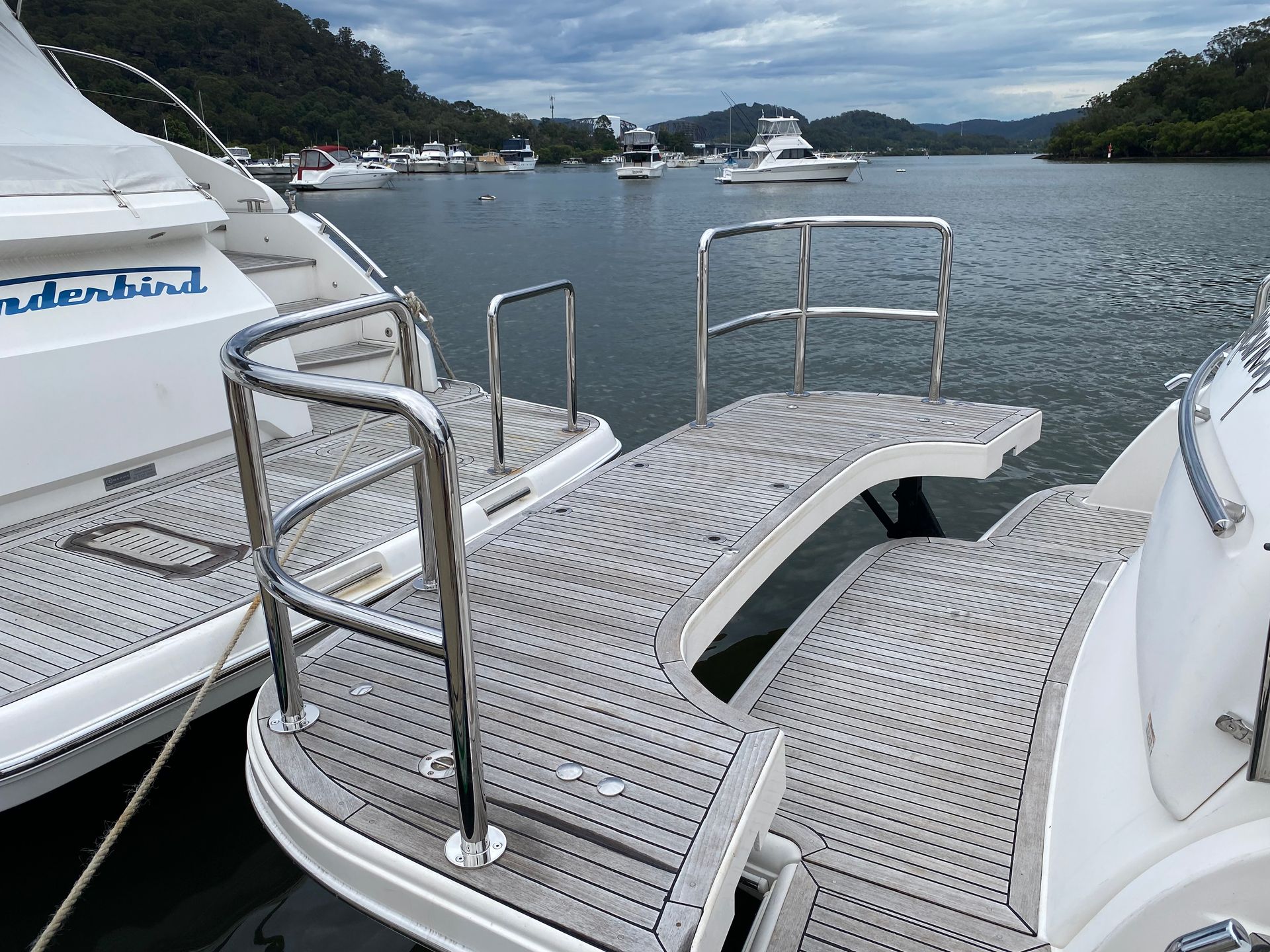
Example: A stainless steel handrail installed near the waterfront may accumulate salt deposits more quickly than one in a sheltered inland location. Regular cleaning and appropriate finishing help reduce corrosion risks around joints and fittings.
EB Metal Works provides Welding on the Central Coast for stainless steel fabrication projects.
Maintaining Coated Metal Assets Over Time
Protective finishes need ongoing care to perform effectively. Cleaning removes dirt, salt and other contaminants that can affect appearance and corrosion resistance.
How Should Stainless Steel Be Maintained?
Use cleaning products and methods suitable for the stainless steel grade and finish. Avoid abrasive tools that may scratch the surface or introduce contamination. For coated components, inspect regularly for peeling, scratches and other damage.
When Should a Finish Be Repaired?
Address coating damage before moisture spreads beneath the affected area. For uncoated stainless steel, persistent staining, pitting or corrosion around welds should be investigated. Repairs may involve cleaning, refinishing or reviewing whether the material suits its environment.
Long-lasting welded stainless steel depends on suitable material selection, quality welding, thorough surface preparation and appropriate finishing. Coatings can provide extra protection, but they cannot compensate for poor fabrication practices.
If you're planning a stainless steel fabrication project on the Central Coast, contact EB Metal Works to discuss your welding requirements and the finishing considerations for your application.
Frequently Asked Questions
Does Stainless Steel Need a Coating After Welding?
Not always. Proper cleaning, heat tint removal and suitable surface treatment may provide adequate corrosion resistance without an additional coating.
Can You Powder Coat Welded Stainless Steel?
Yes. The surface must be prepared correctly, and the powder coating system must suit the stainless steel and intended environment.
What Is the Best Finish for Coastal Stainless Steel?
The best option depends on the stainless steel grade, salt exposure and maintenance requirements. Appropriate surface treatment and regular cleaning are particularly important.
Why Is Passivation Important After Welding?
Passivation helps establish a clean, corrosion-resistant surface. Heat tint may need to be removed before passivation, depending on the weld condition.
How Can You Prevent Corrosion Around Welds?
Choose a suitable stainless steel grade, remove contamination and heat tint, minimise moisture-trapping crevices and maintain the finished surface.