Tips To Maintain And Protect Welded Tanks From Corrosion
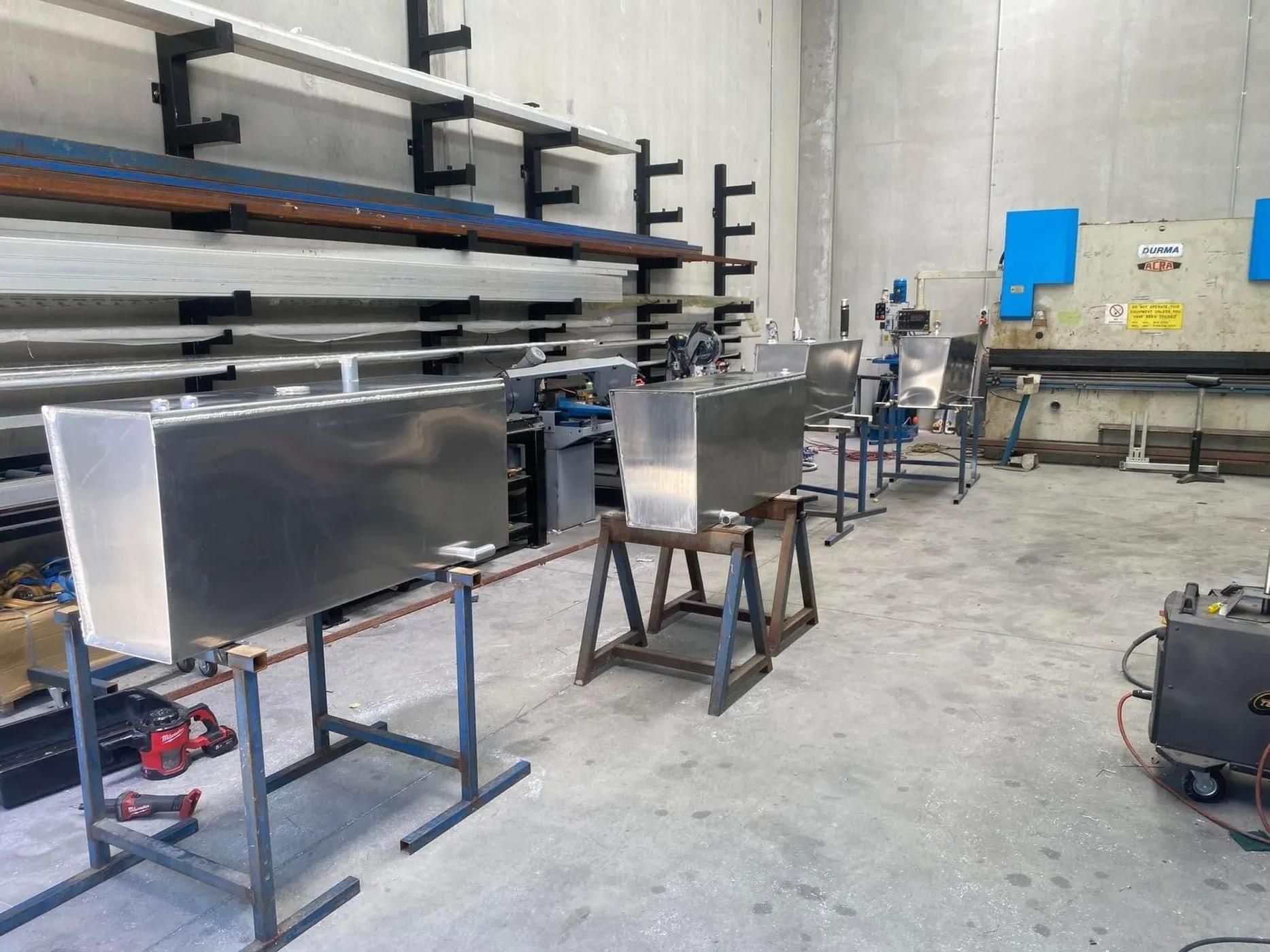
Protecting a welded tank from corrosion starts with the right material, sound weld quality, a suitable protective coating and regular inspection. For businesses using tank welding on the Central Coast, these measures help prevent localised corrosion around welds, extend service life and identify deterioration before it develops into leakage or structural damage.
Whether a tank stores water, chemicals or another industrial liquid, corrosion prevention should form part of its ongoing maintenance plan rather than only being addressed when rust becomes visible.
Why Are Welded Tanks Vulnerable to Corrosion?
Corrosion occurs when the tank material reacts with its surrounding environment. Moisture, oxygen, chemicals, salts, temperature and the properties of the stored liquid can all influence how quickly deterioration occurs.
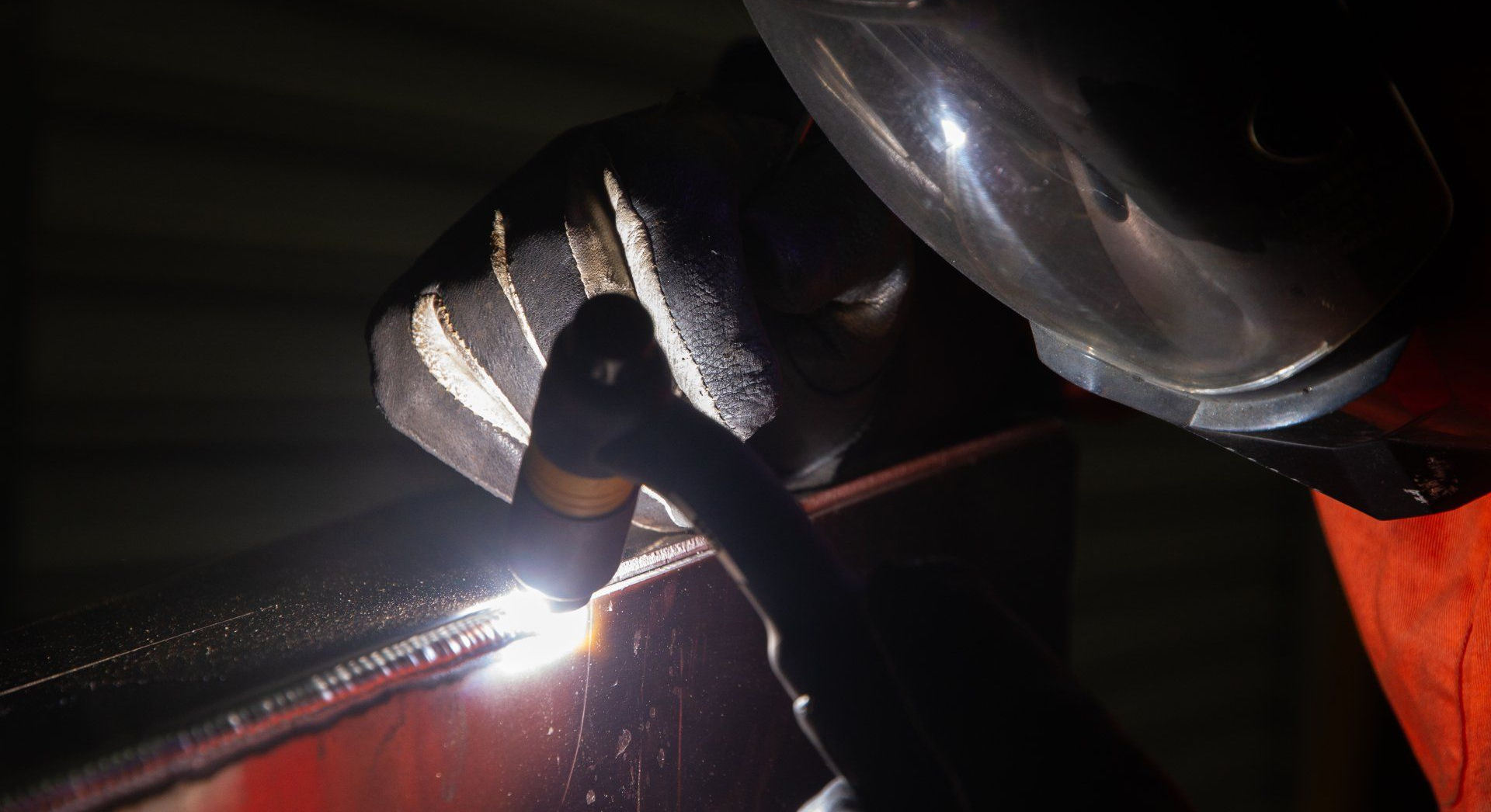
Welded areas deserve particular attention. Welding changes the metal locally through heat, and poor finishing, contamination or coating defects around a weld can create areas that are more susceptible to corrosion.
Common forms of deterioration can include:
- Surface corrosion
- Pitting
- Crevice corrosion
- Corrosion around welds and joints
- Galvanic corrosion where dissimilar metals interact
- Internal corrosion caused by stored liquids
- External corrosion caused by moisture and environmental exposure
The exact risk depends heavily on the tank material, operating environment and what the tank contains.
How Can Regular Inspections Help Prevent Tank Corrosion?
Regular inspections give maintenance teams an opportunity to identify deterioration before it becomes a larger repair problem.
Create an inspection schedule appropriate to the tank's service conditions and risk profile. Tanks exposed to aggressive chemicals, coastal environments or demanding industrial processes may require different inspection arrangements from tanks operating under less corrosive conditions.
During routine visual inspections, look for:
- Rust or surface discolouration
- Blistering, cracking or peeling coatings
- Pitting
- Moisture around seams
- Signs of leakage
- Corrosion around fittings and connections
- Changes around welded joints
- Physical damage to the tank or coating
Don't rely solely on what can be seen from the outside. Depending on the tank's application, internal inspection and appropriate testing may also be necessary.
Any confined-space entry, specialist testing or inspection involving hazardous contents should follow applicable workplace safety procedures and be completed by appropriately trained personnel.
Why Should Welds Be Checked Carefully?
A weld is an integral part of the tank's structure, so deterioration around a welded seam shouldn't be treated as a cosmetic issue.
Inspect weld areas for visible cracking, pitting, corrosion, coating failure or signs of leakage. The surrounding heat-affected area should also receive attention where relevant.
For example, imagine a process tank develops a small patch of coating failure close to a welded connection. Simply painting over the visible rust may hide the symptom without addressing corrosion beneath the coating or determining why the protective layer failed.
A more appropriate response is to assess the affected area, establish the extent and cause of deterioration, complete any required repair correctly and restore the protective system.
EB Metalworks provides tank welding on the Central Coast for applications where professional fabrication and welding expertise are required.
How Do You Choose a Protective Coating for a Welded Tank?
Protective coatings create a barrier between the metal and the corrosive environment, but not every coating suits every tank.
Selection should consider:
- Tank material
- Stored liquid or chemical
- Operating temperature
- Internal or external application
- Exposure to UV, moisture or chemicals
- Required service life
- Surface preparation requirements
- Applicable safety or regulatory requirements
For tanks storing potable water, fuels, chemicals or other controlled substances, coating compatibility can be particularly important. Always select products specifically suitable for the tank's intended service and follow relevant manufacturer specifications.
A coating system is only as effective as its preparation and application. Applying a premium coating over contamination, corrosion or poorly prepared steel can result in premature failure.
Why Is Surface Preparation Important Before Applying a Coating?
Surface preparation helps a coating adhere correctly and perform as intended.
The required process depends on the substrate and coating system, but it may involve removing rust, scale, grease, old coating material and other contaminants. Existing corrosion should be properly assessed rather than simply covered.
Weld areas may also require appropriate finishing and cleaning before the coating system is applied.
According to industry best practice, coating manufacturers' surface-preparation and application requirements should be followed closely. Factors such as surface condition, environmental conditions and curing time can all affect coating performance.
How Can You Reduce Internal Corrosion in Welded Tanks?
Internal corrosion prevention starts with understanding the substance being stored.
Water chemistry, chemical concentration, temperature, contamination and sediment can influence corrosion. Maintenance requirements should therefore reflect the tank's actual operating conditions.
Depending on the application, preventative measures may include suitable internal linings, compatible materials, routine cleaning and monitoring of the tank's condition.
Sediment or contaminants shouldn't simply be ignored because the outside of the tank looks sound. Accumulated material can create local conditions that contribute to deterioration in some applications.
Maintenance teams should also investigate unexpected changes in the stored liquid or process conditions. A tank designed for one service environment may not automatically suit a significantly different substance or operating condition.
How Can You Protect the Outside of a Tank?
External surfaces can face their own corrosion risks, particularly where tanks are exposed to weather, moisture, industrial contaminants or salt-laden coastal air.
Keep external protective coatings in good condition and address damaged areas before corrosion spreads underneath the coating. Pay particular attention to supports, bases, brackets, connections and locations where water can collect.
Good drainage around the tank can also help. Persistent moisture around the base or supports may increase corrosion risk and make deterioration harder to identify.
Avoid placing incompatible metals together without considering the potential for galvanic corrosion. Where different metals are required, the design should incorporate suitable corrosion-control measures.
When Should Corrosion Be Repaired?
Address corrosion when it is identified rather than waiting for visible leakage. Early intervention may limit the affected area and reduce the chance of deterioration progressing.
However, the appropriate repair depends on the severity and location of the damage. Surface coating deterioration requires a different response from deep pitting, cracking or significant material loss near a structural weld.
If corrosion may have affected tank integrity, have the damage professionally assessed. Welding directly onto a tank that contains, or previously contained, hazardous or flammable substances can present severe risks and requires appropriate procedures, preparation and competent personnel.
Repairs should restore both the physical integrity of the affected area and its corrosion protection.
How Can Preventative Maintenance Extend the Life of Welded Tanks?
An effective preventative maintenance program combines inspections, documentation and timely repairs.
Keep records of inspection dates, coating work, repairs and areas of recurring corrosion. Photographs can also help maintenance teams compare changes over time.
A practical maintenance process should include:
- Inspecting the tank at suitable intervals.
- Recording corrosion, coating defects and physical damage.
- Investigating recurring deterioration.
- Repairing defects before they worsen.
- Restoring coatings after welding or repair work.
- Reviewing whether operating conditions have changed.
- Keeping maintenance and repair records.
This approach gives facility managers and maintenance teams a clearer understanding of tank condition and helps them plan maintenance rather than relying on reactive repairs.
When Should You Call a Professional for Tank Welding on the Central Coast?
Professional assessment is appropriate when corrosion affects welded joints, material thickness, fittings or other areas important to tank integrity. It is also important when a tank requires modification, fabrication or welded repairs.
The key takeaway is that corrosion prevention starts well before a tank develops a leak. Suitable materials, quality welding, compatible coatings, regular inspections and prompt maintenance all contribute to safer, more reliable tank performance.
For businesses requiring tank welding on the Central Coast, EB Metalworks can assist with professionally fabricated welded tank solutions. Contact the EB Metalworks team to discuss your tank requirements, operating conditions and suitable fabrication options.
Frequently Asked Questions
How often should a welded tank be inspected for corrosion?
Inspection frequency depends on the tank material, stored substance, environment, operating conditions and applicable requirements. Higher-risk or aggressive environments may require more frequent assessment, so establish an inspection schedule appropriate to the specific tank.
Can you paint directly over rust on a welded tank?
Simply covering corrosion without suitable preparation can lead to premature coating failure and may conceal continuing deterioration. The corrosion should be assessed and the surface prepared according to the requirements of the selected coating system.
Where does corrosion commonly occur on welded tanks?
Potential problem areas include welds, seams, fittings, supports, crevices, damaged coatings and locations where moisture or contaminants collect. Internal corrosion can also occur depending on the substance stored in the tank.
What coating should be used on a welded tank?
The appropriate coating depends on the tank material, stored substance, operating temperature and environmental exposure. Choose a coating or lining specifically compatible with the intended application and follow the manufacturer's preparation and application requirements.
Can a corroded tank be repaired by welding?
Some corrosion damage may be repairable, but the tank should first be assessed to determine the extent and location of material loss. Tanks that contain or previously contained hazardous or flammable substances require particularly careful safety controls and professional procedures before any welding occurs.