Understanding Steel Grades And Their Applications In Fabrication
Choosing the right steel grade directly affects the strength, durability, weldability and service life of a fabricated component. For any steel fabrication Central Coast project, material selection should account for structural loads, environmental exposure, fabrication requirements and relevant specifications—not simply the price or availability of the steel.
Different steel grades offer different combinations of strength, corrosion resistance, formability and machinability. Understanding these differences helps fabricators, engineers and project managers select materials that suit both the manufacturing process and the finished application.
What Are Steel Grades and Why Do They Matter in Fabrication?
A steel grade identifies a material according to characteristics such as its chemical composition and mechanical properties. Depending on the grading system, this can indicate factors including yield strength, tensile strength, hardness, corrosion resistance and suitability for welding or forming.
Steel grade matters because materials that look similar can perform very differently. A steel suited to a general fabricated frame may not provide the corrosion resistance required for a coastal installation, while a higher-strength material may need more carefully controlled welding and forming procedures.
Selecting the appropriate grade helps achieve:
- Required strength and load capacity
- Suitable weldability and machinability
- Appropriate corrosion and wear resistance
- Reliable performance in the intended environment
- Compliance with engineering specifications
- Efficient fabrication and material use
Material selection should therefore form part of the project planning process before fabrication begins.
What Are the Most Common Steel Grades Used in Fabrication?
Fabricators work with several categories of steel, with individual grades offering different properties. Mild steel, structural steel, stainless steel and higher-strength steels are among the materials commonly encountered in fabrication.
The correct option depends on what the finished component needs to do and the conditions it will experience.
What Is Mild Steel Used for in Fabrication?
Mild steel contains relatively low levels of carbon and is widely used in general fabrication. It offers a practical balance of strength, ductility, weldability and ease of processing.
Fabricators can cut, drill, bend and weld mild steel efficiently, making it suitable for applications such as:
- Frames and supports
- Brackets
- Platforms and walkways
- Machinery components
- Gates and fabricated assemblies
- General structural components
One important consideration is corrosion. Unprotected mild steel can rust when exposed to moisture and weather, so outdoor applications may require galvanising, painting, powder coating or another suitable protective system.
What Are Structural Steel Grades Used For?
Structural steels provide specified mechanical properties for load-bearing applications. Engineers select the appropriate grade based on factors such as design loads, component geometry, fabrication methods and applicable project requirements.
Structural steel is commonly used for:
- Building frames
- Beams and columns
- Equipment supports
- Industrial platforms
- Structural brackets
- Infrastructure components
Australian projects may specify structural steel with reference to applicable Australian or Australian/New Zealand Standards. Fabricators should confirm the grade stated on the engineering drawings and project documentation before cutting, welding or forming the material.
Substituting one grade for another without checking its properties can create compliance and performance issues
How Does Stainless Steel Differ From Carbon Steel?
Stainless steel contains chromium and other alloying elements that provide greater corrosion resistance than ordinary carbon steel. Different stainless steel grades offer varying levels of corrosion resistance, strength, temperature performance and fabrication characteristics.
Grades 304 and 316 are two commonly encountered stainless steels.
What Is 304 Stainless Steel Used For?
Grade 304 stainless steel provides good general corrosion resistance and is widely used where durability, cleanliness and appearance matter.
Typical applications include:
- Food processing equipment
- Commercial kitchen components
- Benches and work surfaces
- Architectural features
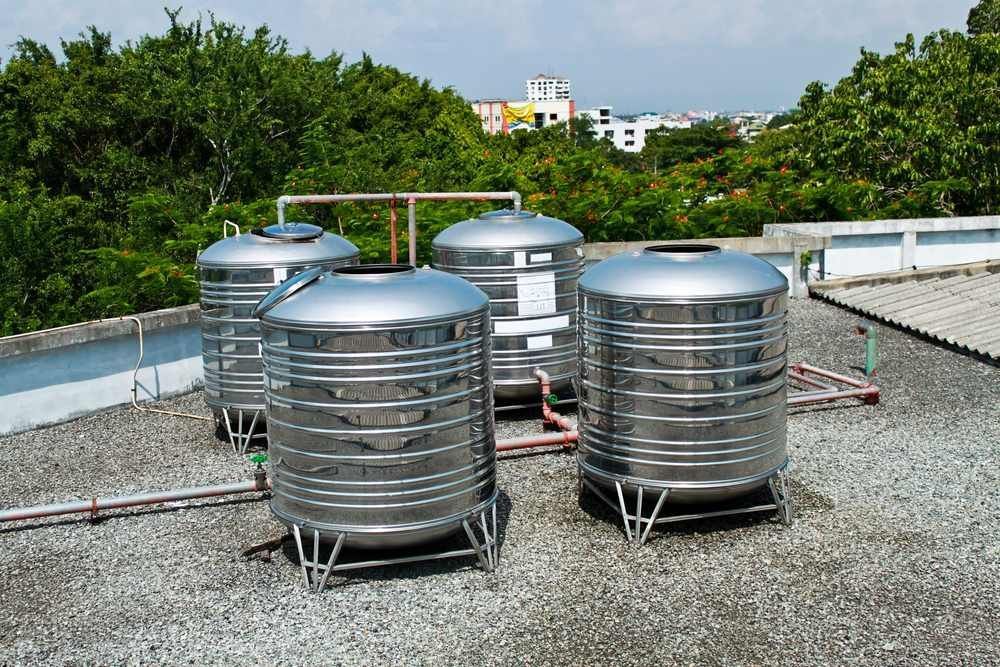
- Tanks and enclosures
- General fabricated components
Although 304 performs effectively in many environments, more aggressive exposure conditions may call for a different grade.
When Is 316 Stainless Steel a Better Choice?
Grade 316 stainless steel contains molybdenum, which improves resistance to certain forms of corrosion, particularly in chloride-containing environments.
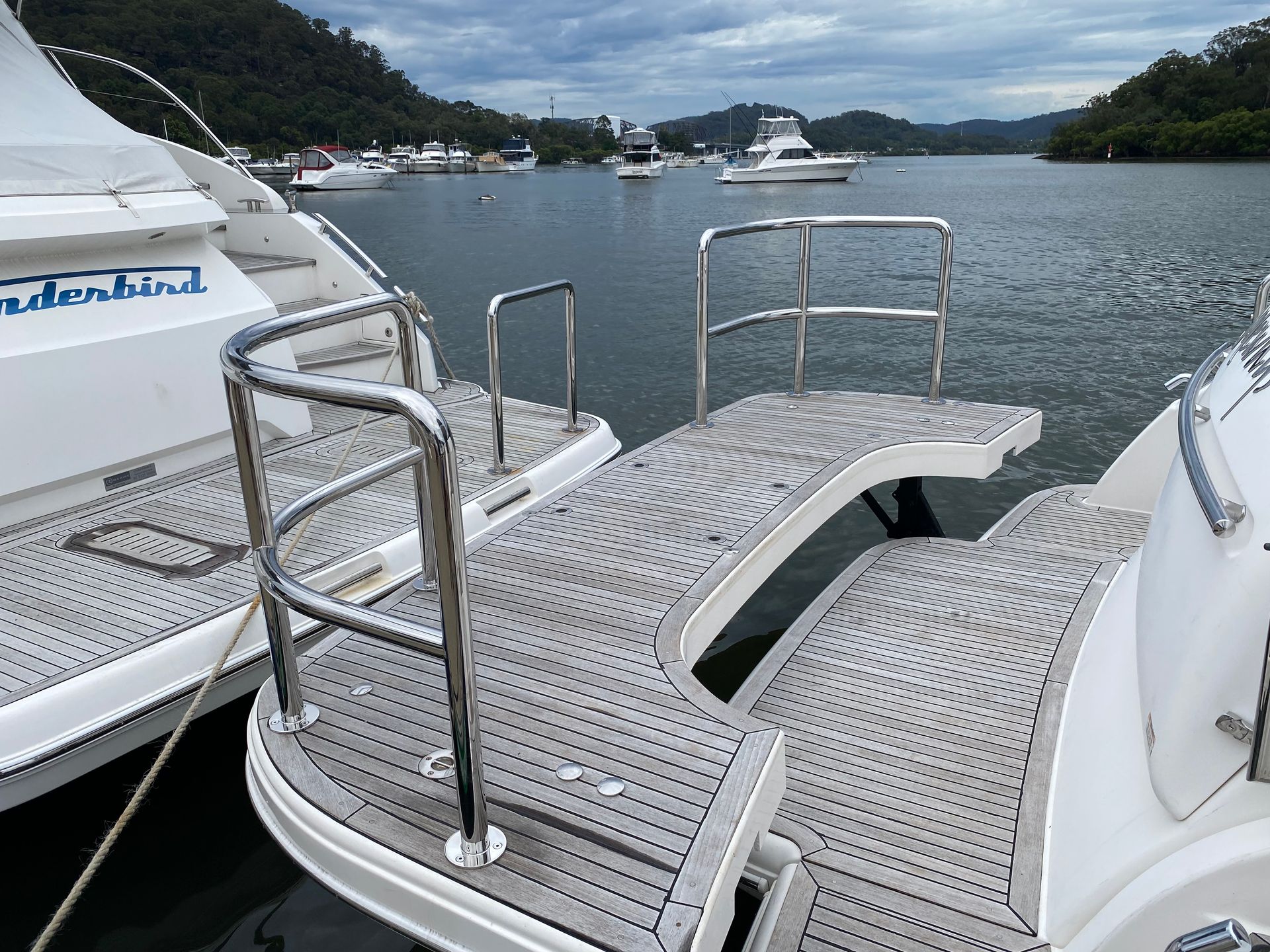
This makes 316 a common consideration for coastal, marine and some industrial applications. For steel fabrication on the Central Coast, exposure to salt-laden air can be an important material-selection factor, particularly for components installed close to the coastline or in exposed outdoor locations.
Using stainless steel does not remove the need for good fabrication practices. Component design, welding, surface finishing and maintenance can all influence long-term corrosion performance.
When Should High-Strength Steel Be Used?
High-strength steel can provide greater load-carrying capacity than conventional mild steel. Depending on the engineering design, this can make it suitable for heavily loaded components, machinery, transport applications and structural assemblies.
However, higher strength does not automatically make a steel grade more suitable. Fabricators and engineers may also need to consider:
- Welding procedures
- Preheat requirements
- Heat input
- Formability
- Minimum bend radii
- Cutting and machining characteristics
- Fatigue performance
- Suitable welding consumables
According to industry best practice, strength should always be considered alongside fabrication requirements and the conditions the finished component will experience.
How Do Steel Grades Affect Welding and Fabrication?
A steel's chemical composition and mechanical properties influence how it behaves during welding, cutting, bending and machining. Two materials that appear almost identical can require different fabrication procedures.
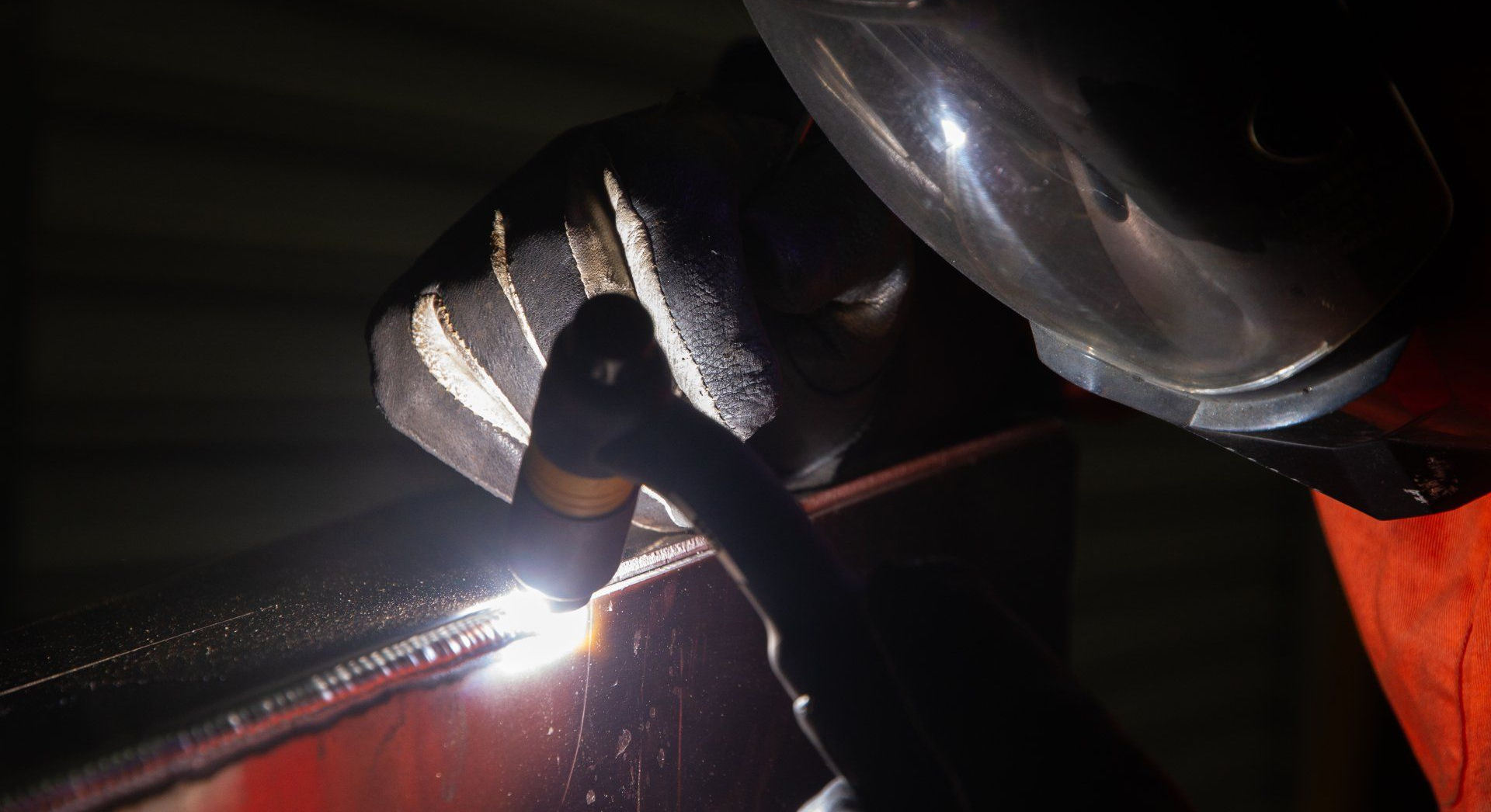
During welding, factors such as preheat, interpass temperature, filler material and heat input may need to be controlled. Some higher-carbon and alloy steels can become more susceptible to cracking when incorrect welding procedures are used.
Stainless steel creates different considerations. Cross-contamination from carbon steel tooling, inappropriate consumables or poor finishing practices can affect the appearance and corrosion performance of the finished component.
An experienced fabricator therefore confirms the material grade before determining the most appropriate fabrication process.
How Do You Choose the Right Steel Grade for a Fabrication Project?
Choosing the right steel grade involves balancing engineering requirements with fabrication practicality and environmental conditions.
A typical selection process includes:
- Define the structural requirements. Determine the loads, stresses, dimensions and performance requirements the component must meet.
- Assess the operating environment. Consider moisture, salt exposure, chemicals, temperature, abrasion and other conditions that could affect the steel.
- Review fabrication requirements. Identify whether the material requires extensive welding, bending, rolling, drilling or machining.
- Check the project specification. Confirm engineering drawings, relevant standards, material specifications and client requirements.
- Consider corrosion protection. Determine whether the component requires galvanising, painting, powder coating or another protective treatment.
- Confirm material availability and traceability. Check that the required grade and dimensions can be sourced with the necessary documentation.
- Verify before fabrication. Any proposed material substitution should be reviewed against the engineering and project requirements before production begins.
This process considers the complete requirements of the fabricated component rather than selecting steel based on one characteristic alone.
Why Does the Operating Environment Affect Steel Selection?
Environmental exposure can significantly affect the service life of fabricated steel. Moisture, airborne salts, chemicals, heat and abrasion can all contribute to deterioration.
This is especially relevant to steel fabrication Central Coast projects where components may operate in coastal or salt-exposed environments. Depending on the application, the specification might call for stainless steel, galvanised carbon steel or a suitable protective coating system.
Component design matters as well. Crevices, water traps and poor drainage can encourage corrosion even when the underlying steel grade is otherwise appropriate.
The material, protective system and component design should therefore work together.
What Can Happen If the Wrong Steel Grade Is Used?
Choosing an unsuitable steel grade can cause problems during fabrication or after installation. Depending on the project, potential issues include excessive corrosion, difficult welding, cracking, premature wear, distortion or failure to meet the engineering specification.
For example, consider an outdoor equipment support installed in a salt-exposed location. Choosing unprotected carbon steel purely because it is economical to fabricate could create significant ongoing corrosion and maintenance requirements. Assessing the operating environment before fabrication may instead identify the need for a protective coating system or a more corrosion-resistant material.
This example shows why material cost should not be considered in isolation. Fabricators and project teams should also consider expected service conditions and long-term maintenance.
Why Is Material Traceability Important in Steel Fabrication?
Material traceability helps confirm that the steel supplied for a project matches the specified grade. This can be particularly important for structural, engineered and compliance-sensitive fabrication.
Depending on project requirements, documentation may include material certificates, heat or batch identification and supplier records. Maintaining appropriate records helps engineers, fabricators and clients verify that the specified material has been used.
Traceability can also be valuable if a fabricated component later requires inspection, modification or repair.
How Can a Steel Fabricator Help With Material Selection?
An experienced fabricator can identify practical manufacturing considerations that may not be immediately obvious from an engineering drawing. These can include material availability, cutting and forming requirements, welding considerations, tolerances and finishing options.
For projects requiring steel fabrication on the Central Coast, early communication between engineers, suppliers, project managers and fabricators can help identify potential material or manufacturing issues before production starts.
Where an engineer has specified a particular material, those engineering requirements govern the project. The fabricator can work within the specification while identifying practical considerations that may affect production.
For fabrication support based on your drawings, specifications and project requirements, EB Metalworks provides metal fabrication services for projects across the Central Coast. Explore our metal fabrication services or contact our team to discuss your requirements.
What Should You Remember When Selecting a Steel Grade?
No single steel grade suits every fabrication project. The right choice depends on strength requirements, environmental exposure, welding and forming processes, corrosion protection, applicable standards and the engineering specification.
The key is to confirm the material before fabrication begins. Matching the steel grade to both the design and its operating environment can reduce avoidable rework, maintenance problems and material-related performance issues.
Frequently Asked Questions About Steel Grades and Fabrication
What steel is commonly used for general fabrication?
Mild or low-carbon steel is commonly used because it offers good weldability, formability and practical strength. The specific grade should still match the engineering, environmental and compliance requirements of the project.
Is 304 or 316 stainless steel better for coastal applications?
316 stainless steel generally offers greater resistance to chloride-related corrosion than 304, which makes it a common choice for consideration in coastal and marine environments. The final selection should account for exposure severity, component design, surface finish and project specifications.
Does higher-strength steel always make a better fabricated component?
No. Higher strength only provides an advantage when it supports the design requirements. Weldability, formability, fatigue behaviour, availability and fabrication procedures also need to be considered.
Can one steel grade be substituted for another?
A steel grade should not be substituted simply because another material appears similar or is easier to source. For engineered components, proposed substitutions should be checked against the design specification and approved through the appropriate engineering or project process.
How can fabricated steel be protected from corrosion?
Common protection methods include galvanising, protective paint systems and powder coating, while some applications use corrosion-resistant materials such as stainless steel. The appropriate approach depends on environmental exposure, component design, expected service life and maintenance requirements.
What information should I give a steel fabricator?
Provide current drawings, dimensions, material specifications, relevant standards, quantities, tolerances, finishing requirements and details about the component's operating environment. Clear information allows the fabricator to identify potential material and manufacturing issues before production begins.