Custom Diesel Tanks For Farms & Fleets: What Tank Welding On The Central Coast Involves
A custom diesel tank can be worth considering when standard storage options don't suit your machinery, available space or fuel requirements. Professional tank welding on the Central Coast involves more than joining steel panels. Tank design must account for capacity, structural support, ventilation, water management and safe filling before fabrication begins.
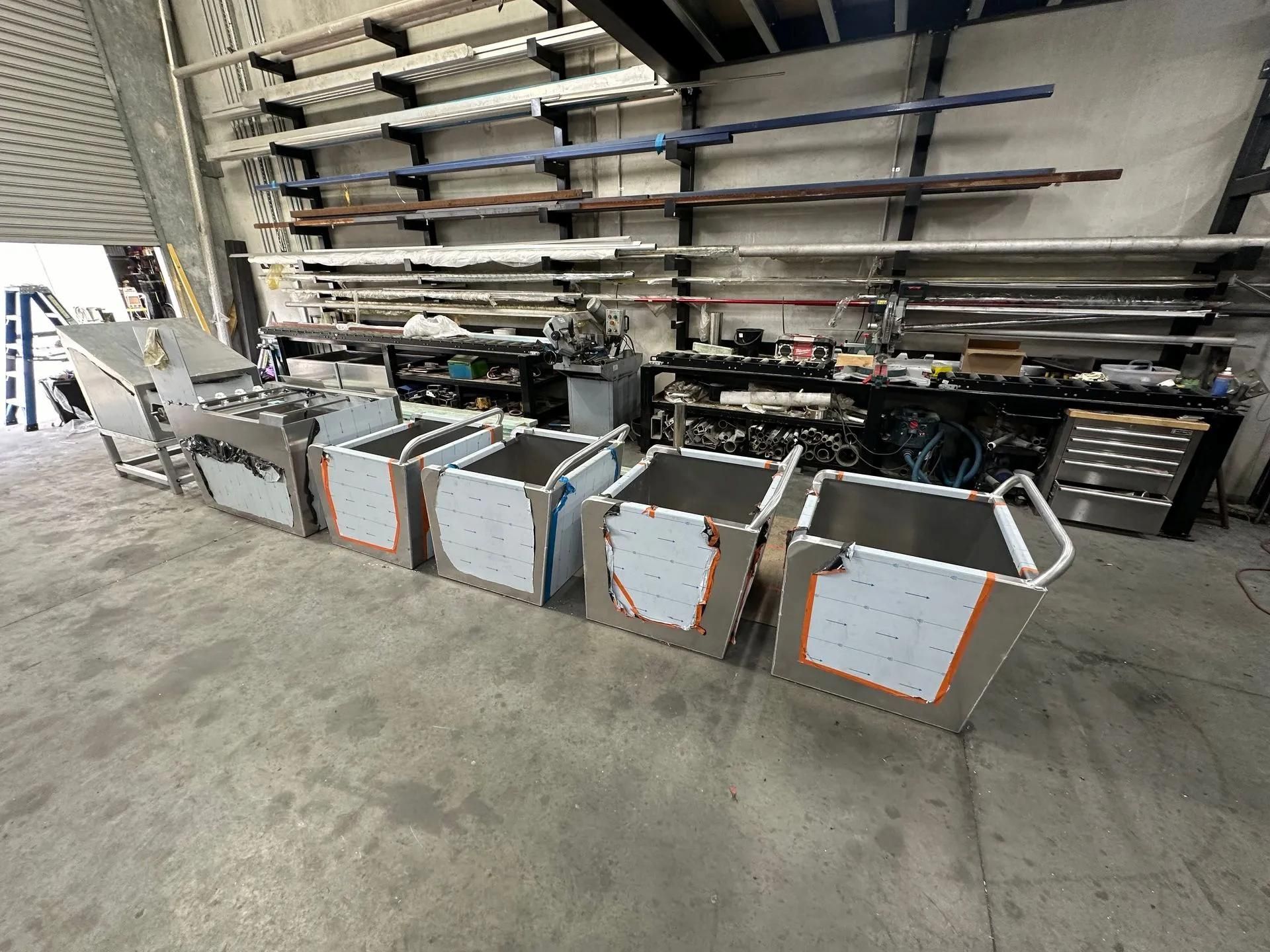
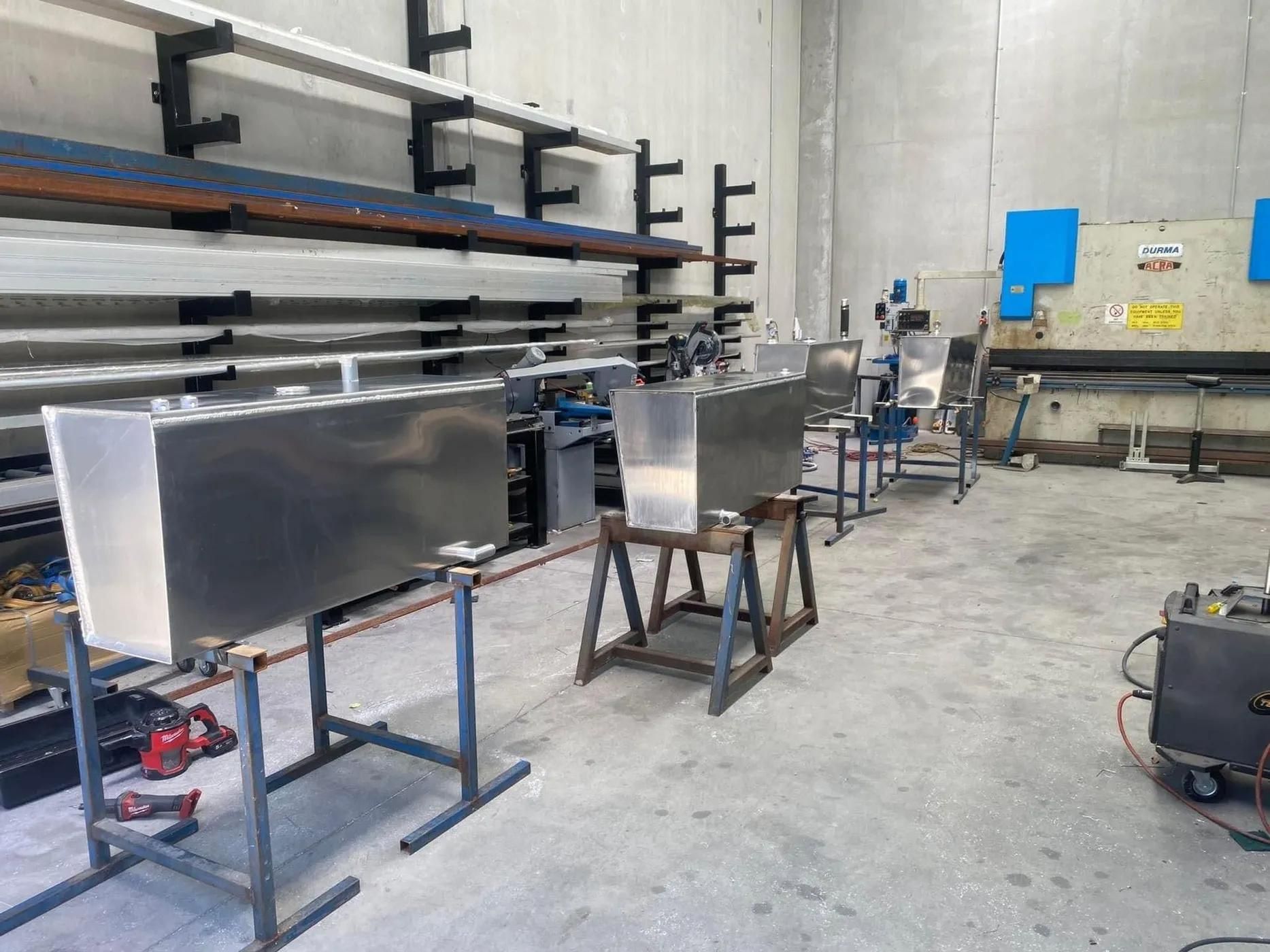
At EB Metalworks, we fabricate custom fuel and diesel tanks up to approximately 1,000 litres from our Somersby workshop. For Central Coast and Hunter farmers, fleet operators and earthmoving businesses, a purpose-built tank can provide a practical solution when off-the-shelf products don't meet specific operational requirements.
Why Choose a Custom Diesel Tank Instead of an Off-the-Shelf Tank?
Standard diesel tanks suit many applications, but they aren't always compatible with the available space, machinery layout or intended use. A custom diesel tank allows dimensions, fittings and access points to be planned around the equipment or site rather than requiring the operator to adapt to a standard product.
For example, a farm operator may need a tank that fits within a restricted machinery storage area, while a transport business might require a particular mounting arrangement for a vehicle-mounted tank. These applications have different structural and operational requirements, even if their fuel capacities are similar.
Custom fabrication also allows practical features to be incorporated during design. Fill points, inspection openings, internal baffles and drainage arrangements can be positioned according to how the tank will be used.
However, custom fabrication isn't automatically the better choice. If a compliant, commercially manufactured tank already meets your needs, it may be more straightforward. The value of a custom design comes from addressing requirements that standard options cannot accommodate effectively.
What Does Tank Welding on the Central Coast Involve?
Tank fabrication begins with understanding the intended application, fuel capacity, installation location and relevant design requirements. These details influence the tank's dimensions, material selection, structural reinforcement and arrangement of fittings.
Before welding starts, we need to establish how the tank will be filled, vented, supported and accessed. The design must also consider whether the tank will remain stationary or be mounted on machinery or a vehicle.
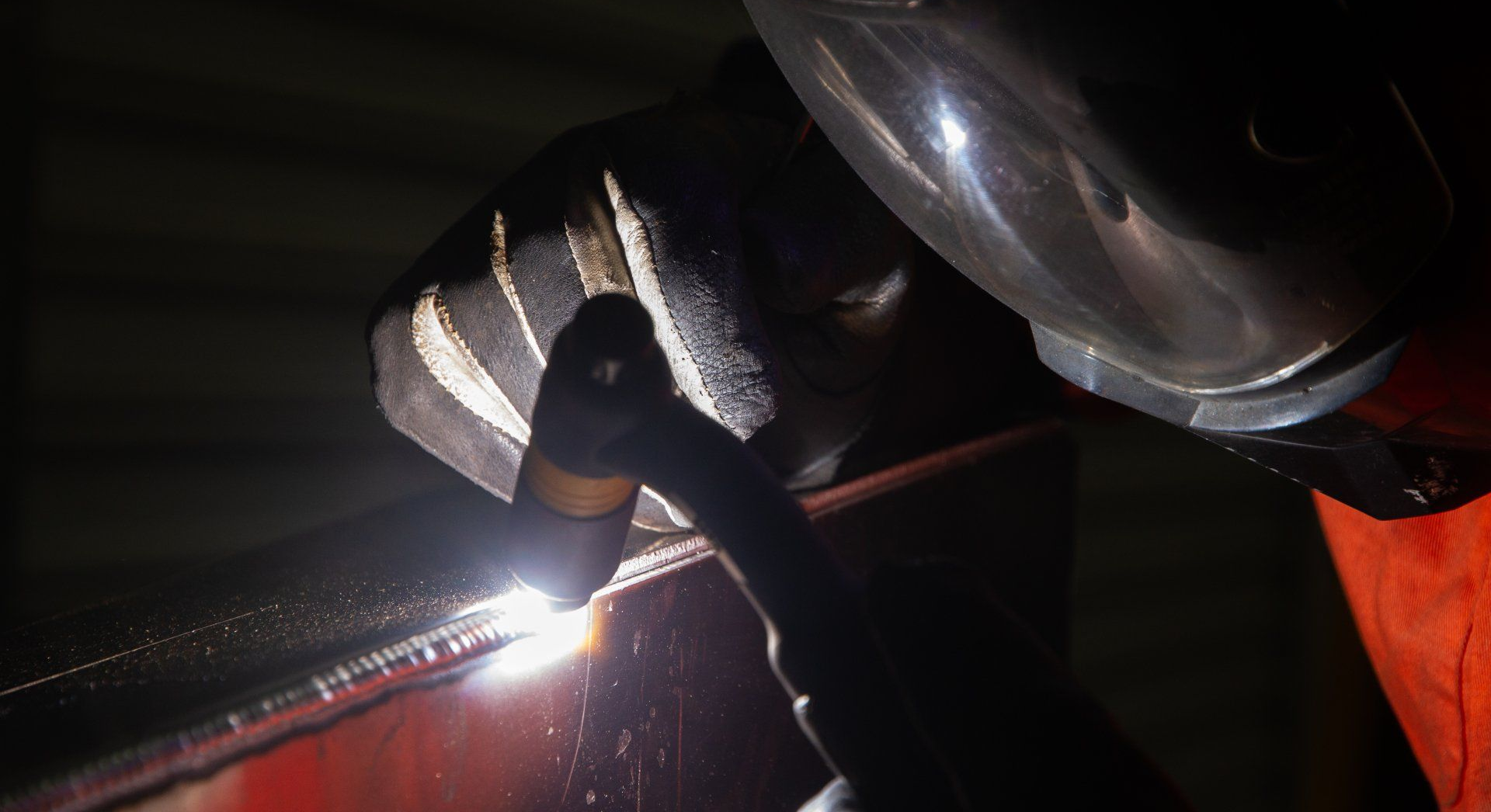
The fabrication process generally involves preparing the material, cutting and forming components, assembling the tank and welding the joints. Suitable inspection and testing are then required to establish whether the finished tank meets its specified requirements.
The exact methods depend on the tank's design, materials and applicable standards. A stationary storage tank, for example, may have different requirements from a vehicle-mounted fuel tank.
At
EB Metalworks, we provide
metal fabrication in Somersby, allowing us to work with customers on tanks designed around their particular operating conditions. Discussing these details early helps identify practical limitations before materials are cut.
Which Design Features Help Protect Stored Diesel?
Diesel storage design should consider more than the volume of fuel a tank can hold. Internal movement, moisture accumulation and access for inspection can all affect how well the tank performs over time. Several features are worth discussing during the design stage.
Internal Baffles
Baffles are internal partitions that help control liquid movement within a tank. They're particularly relevant to mobile applications, where fuel can shift during acceleration, braking or changes in direction.
Reducing excessive fuel movement can help manage dynamic loads, although baffle design must suit the tank's intended use. The size, arrangement and openings need to be considered alongside structural requirements.
Sump Drains and Water Collection Points
Water can accumulate at the bottom of diesel tanks because of condensation, contaminated deliveries or moisture entering through unsuitable openings. Since water is denser than diesel, it can settle in low areas.
A suitably designed low-point sump or drain can make water detection and removal more practical. Its position should be established during fabrication so the feature remains accessible after installation.
Inspection Hatches
Inspection openings can provide access for assessing the tank's internal condition, subject to the design and applicable safety requirements. They may be useful when investigating contamination, corrosion or other concerns.
The opening must be appropriately sized, sealed and positioned. Access requirements should be considered before fabrication rather than added later through modifications that could affect the tank's integrity.
Breather and Vent Placement
Diesel tanks require suitable arrangements to accommodate changes in liquid level and pressure during filling, emptying and temperature changes.
Vent placement can also influence exposure to rainwater and other contaminants. Appropriate venting components and positioning should be selected for the application and relevant standards, rather than assuming any open fitting will be suitable.
These features cannot eliminate contamination or replace correct fuel handling, but they can make a tank easier to inspect and manage throughout its working life.
How Long Does Diesel Last in a Tank?
Diesel doesn't have one guaranteed storage life. Its condition depends on fuel formulation, temperature, exposure to air, contamination and the storage environment.
As a general guide, diesel is often discussed in terms of storage periods measured in months rather than indefinite shelf life. However, a fixed timeframe cannot reliably determine whether fuel remains suitable for a particular engine.
Water contamination is one of the main concerns. Moisture can encourage microbial growth at the boundary between water and diesel, sometimes referred to as diesel bug. This contamination may contribute to sludge, blocked filters and fuel-system problems.
Temperature changes can also encourage condensation where moist air enters a tank. On the Central Coast, humid conditions make it worthwhile to consider how the tank manages moisture and allows its condition to be checked.
From a fabrication perspective, the important question is whether the tank includes suitable features for inspection, water separation and controlled ventilation. These design decisions can help operators manage stored fuel without relying on difficult or unsafe modifications later.
How Do You Check for Water in a Diesel Fuel Tank?
Water in a diesel storage tank isn't always obvious from the outside. It may collect at the lowest point while the fuel above appears relatively normal. Depending on the tank's design, professional inspection methods may include sampling from an appropriate low-point drain or using compatible water-detection equipment. The correct approach depends on the installation and its safety requirements.
Possible warning signs include cloudy fuel, visible separation in a suitable sample, recurring filter problems or evidence of microbial contamination. These signs aren't definitive on their own, so suspected contamination should be assessed appropriately.
For anyone commissioning a custom fuel tank, the key is to ask how water will be detected and managed before the tank is built.
A properly positioned drain, accessible inspection point and suitable vent arrangement can make future assessment more practical. Without these features, investigating contamination may become more difficult.
Fuel sampling and tank inspection should be carried out using appropriate procedures. Never enter a fuel tank or make unplanned alterations to a tank containing diesel or fuel vapours.
What Safety Standards Apply to Custom Diesel Tanks?
Diesel is classified as a combustible liquid under AS 1940, the Australian Standard covering the storage and handling of flammable and combustible liquids. Depending on the tank's application, other requirements may also apply.
For stationary diesel storage, relevant considerations can include tank construction, venting, filling arrangements, spill containment and separation from potential hazards. The applicable obligations depend on factors such as capacity, location and the broader installation.
Bunding is another important consideration. Where secondary containment is required, it needs to be planned around the installation rather than treated as an afterthought.
Fill-point location also matters. Operators need suitable access for deliveries while accounting for spill risks, nearby equipment and the surrounding work area.
Vehicle-mounted tanks can be subject to different requirements, including rules relating to vehicle modifications and the transport of dangerous goods where applicable. AS 1940 should therefore not be treated as the only standard relevant to every tank design. These considerations are best addressed before fabrication begins. A tank that fits the available space still needs to be suitable for its intended use and applicable regulatory requirements.
Why Does the Central Coast Climate Matter for Diesel Tank Design?
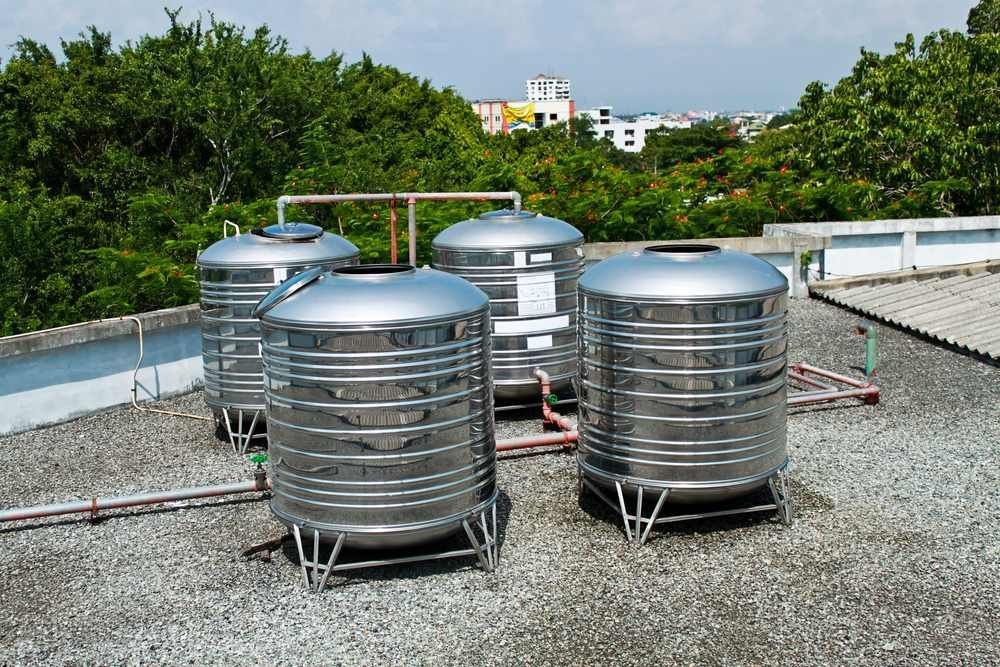
Coastal humidity, rainfall and temperature changes can influence the conditions around diesel storage tanks. Moist air may contribute to condensation, while prolonged exposure to moisture can increase corrosion risks for unsuitable materials or unprotected surfaces.
For farms and industrial sites around the Central Coast and Hunter, the tank's location is therefore an important design consideration. An exposed outdoor installation may face different conditions from a tank housed inside a suitably designed structure.
Material selection, protective finishes and drainage arrangements should reflect these differences. If you're comparing fabrication materials, our guide to steel grades explains considerations that can influence material choice.
After installation, appropriate care remains important. Our
tips to maintain and protect welded tanks from corrosion provides further information about looking after fabricated tanks.
What Should You Discuss With a Tank Fabricator Before Ordering?
The most useful starting point is a clear description of how the tank will be used. Capacity matters, but so do the installation environment, filling arrangements and access requirements.
Before requesting a custom diesel storage tank, consider the following questions:
- Will the tank be stationary or mounted on a vehicle or machine?
- What capacity and dimensions are required?
- How will the tank be supported and secured?
- Where will filling, venting and fuel withdrawal connections be positioned?
- Are baffles, inspection hatches or low-point drains appropriate?
- What containment, safety and regulatory requirements apply?
- How will the finished tank be inspected and tested?
These discussions help establish a practical fabrication specification and identify issues that could otherwise require changes later.
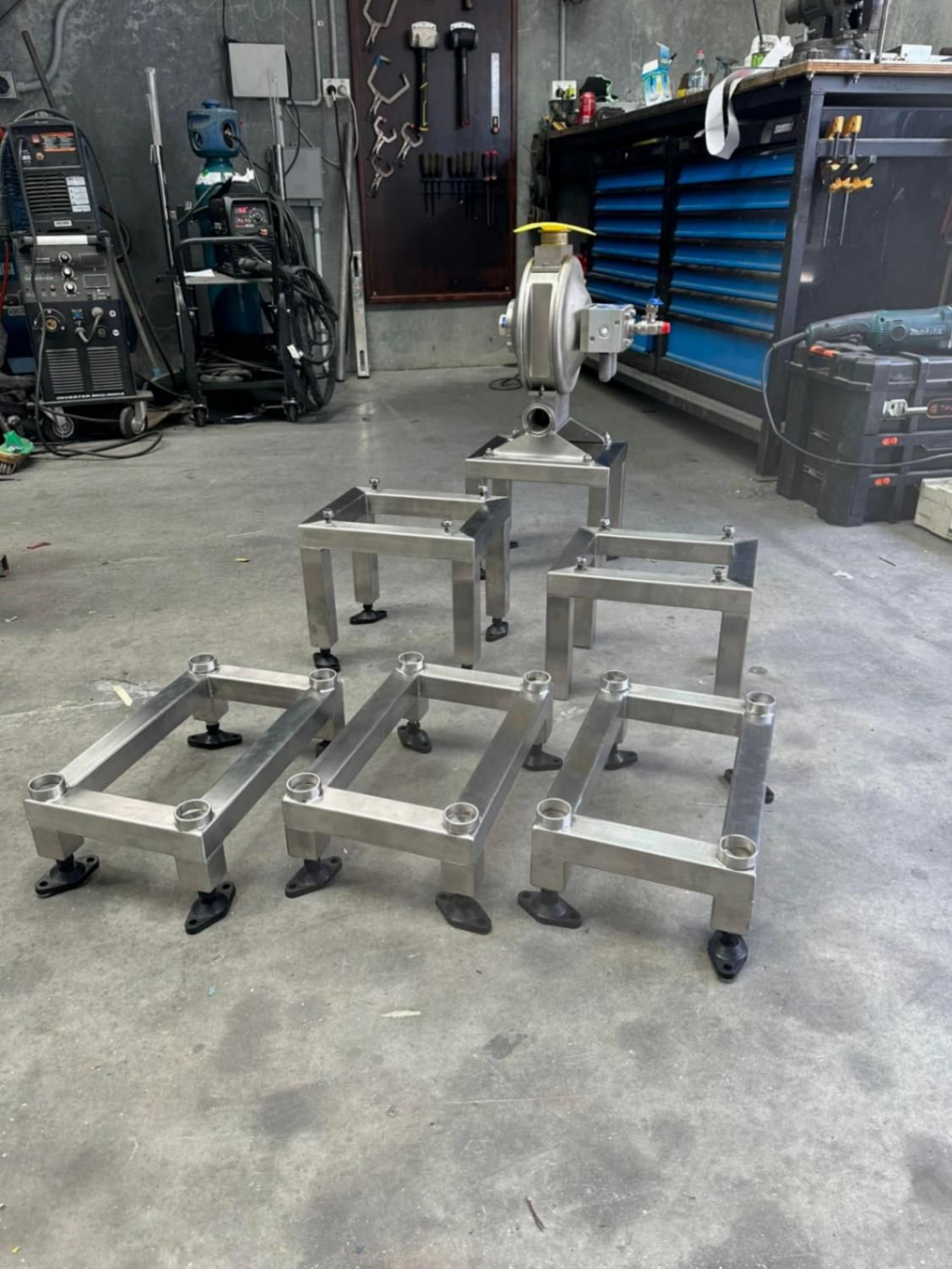
For projects involving other fabricated components, we provide welding on the Central Coast to support broader metalwork requirements.
A well-designed custom tank should suit the equipment, operating environment and applicable safety requirements from the outset. Planning moisture management, access and structural features before welding begins is generally more practical than modifying a finished tank.
If you need tank welding on the Central Coast for agricultural machinery, fleet operations or on-site diesel storage, contact our team at EB Metalworks. Our Somersby team can discuss your capacity requirements, proposed installation and custom fabrication options to help you determine whether a purpose-built tank is right for your operation.